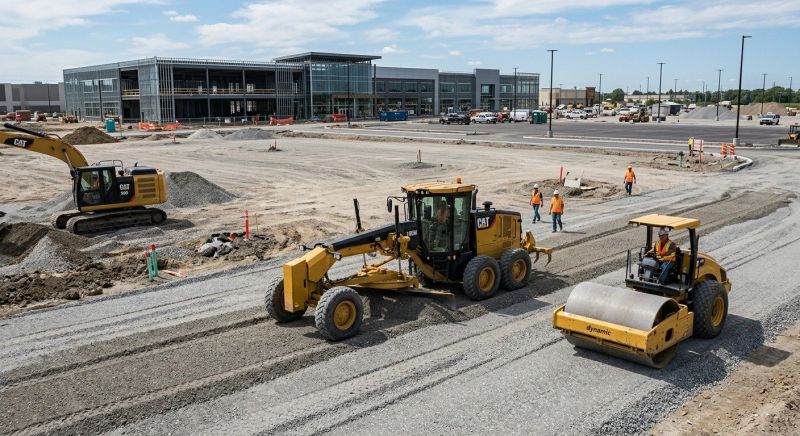
Parking Lot Leveling in Houston, TX
Parking lot leveling services involve adjusting the surface of existing parking areas to create a smooth, even surface. This process is commonly used for commercial parking lots, driveways, or residential parking areas that have developed uneven spots, dips, or cracks over time due to soil settling, weather conditions, or heavy use. Property owners typically request this service to improve safety, enhance the appearance of the lot, and prevent potential damage to vehicles or equipment caused by uneven surfaces.
Before requesting parking lot leveling, property owners should consider the current condition of the surface, including the extent of unevenness and any underlying issues such as drainage problems or soil instability. It’s also helpful to understand the scope of the project, including the size of the area and the desired level of smoothness. Proper assessment ensures that the appropriate techniques and materials are used to achieve a durable, level surface that meets the specific needs of the property.
Many property owners in Houston, TX look into Parking Lot Leveling for repairs, replacements, upgrades, and appearance-related improvements.
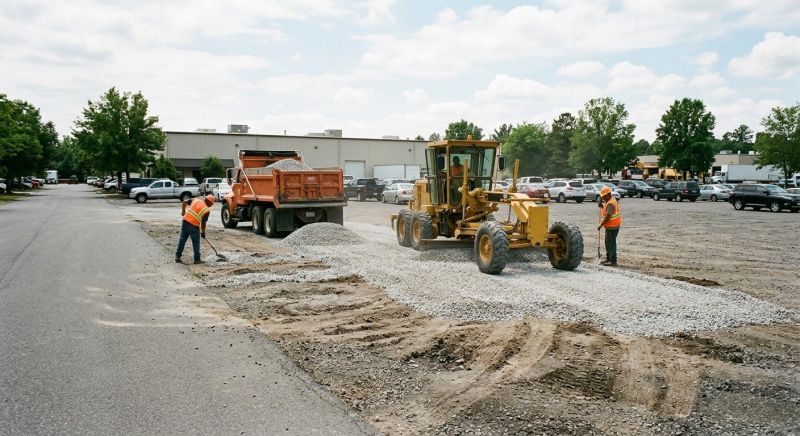
Benefits Of Parking Lot Leveling
Proper leveling improves safety and prevents vehicle damage on your property.
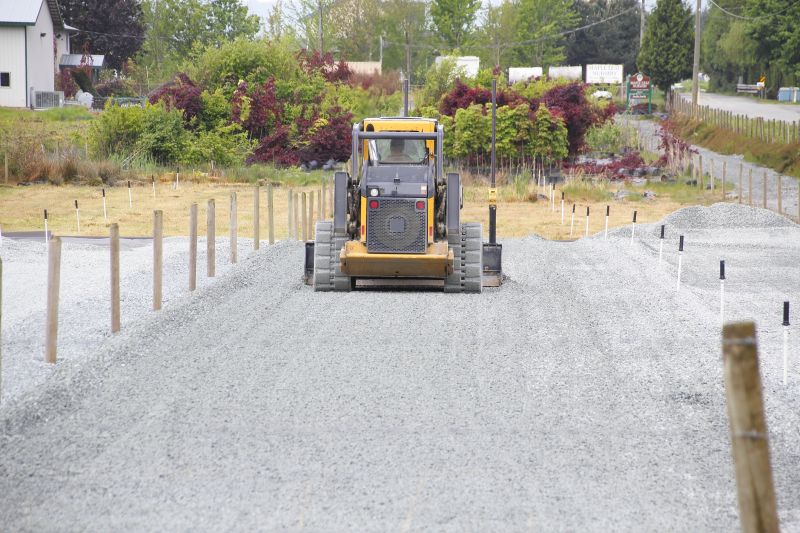
Common Parking Lot Issues
Uneven surfaces, cracks, and potholes are typical problems addressed by leveling services.
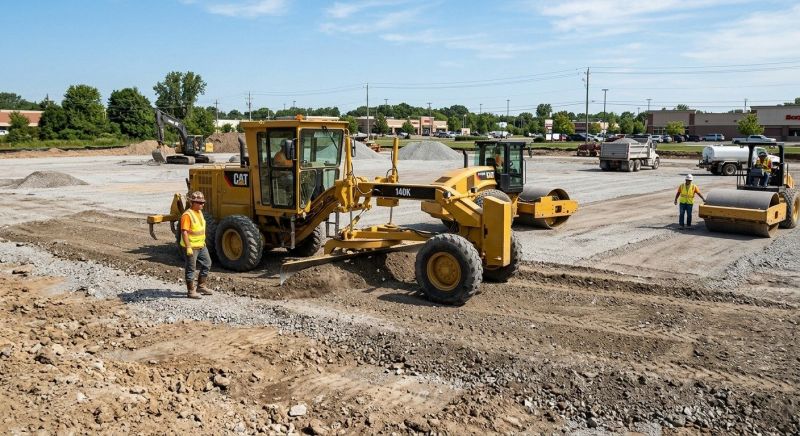
Maintenance And Repair Needs
Regular leveling helps maintain a smooth, durable parking area for residential and commercial spaces in houston, tx.
Parking Lot Leveling in Houston, TX
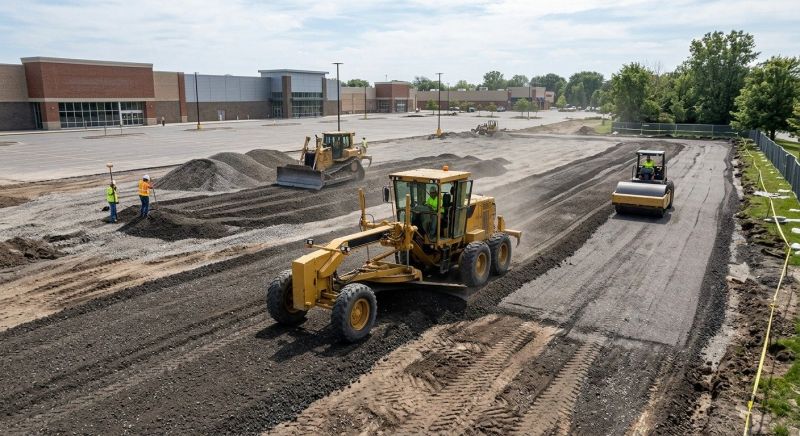
Parking lot leveling services involve adjusting the surface of existing parking areas to create a smooth, even surface. This process is commonly used for commercial parking lots, driveways, or residential parking areas that have developed uneven spots, dips, or cracks over time due to soil settling, weather conditions, or heavy use. Property owners typically request this service to improve safety, enhance the appearance of the lot, and prevent potential damage to vehicles or equipment caused by uneven surfaces.
Before requesting parking lot leveling, property owners should consider the current condition of the surface, including the extent of unevenness and any underlying issues such as drainage problems or soil instability. It’s also helpful to understand the scope of the project, including the size of the area and the desired level of smoothness. Proper assessment ensures that the appropriate techniques and materials are used to achieve a durable, level surface that meets the specific needs of the property.
Many property owners in Houston, TX look into Parking Lot Leveling for repairs, replacements, upgrades, and appearance-related improvements.
Common Parking Lot Leveling Jobs
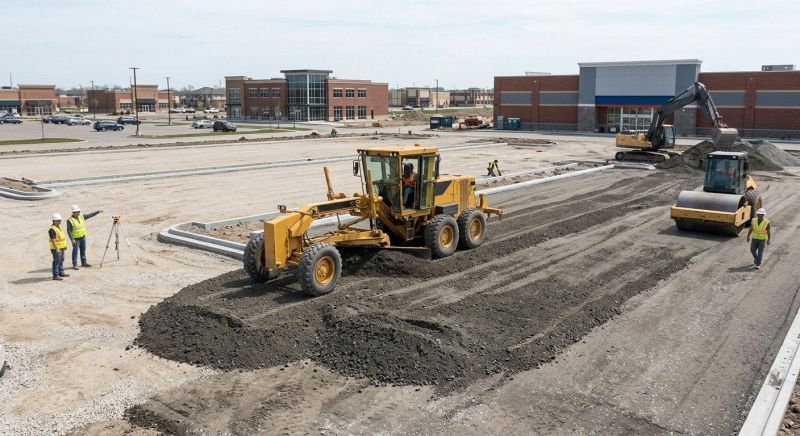
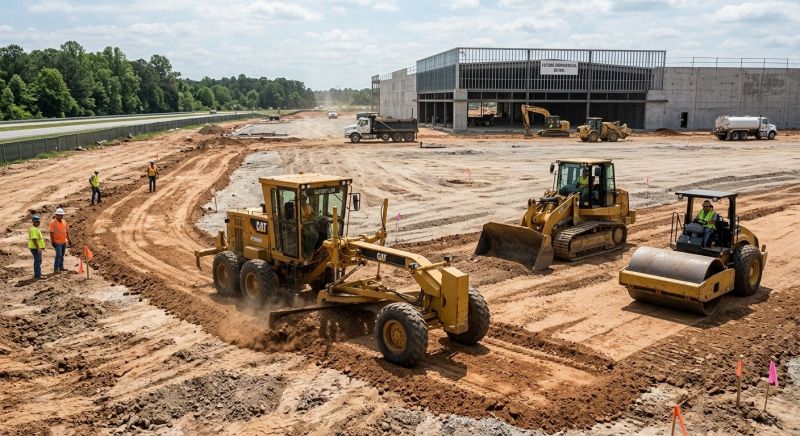
Parking lot leveling involves adjusting uneven surfaces to create a smooth, safe driving area.
Surface leveling addresses dips and high spots to prevent water pooling and vehicle damage.
Asphalt and concrete leveling improve the stability and longevity of parking areas.
Uneven pavement correction helps maintain proper drainage and reduces trip hazards.
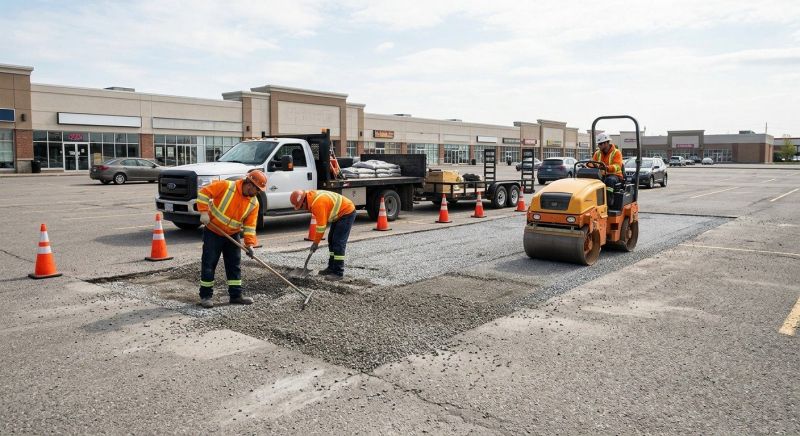
Surface restoration involves filling in cracks and low spots for a uniform surface.
Commercial and residential projects include parking lot leveling to enhance safety and appearance.
Parking Lot Leveling Questions
What is parking lot leveling? Parking lot leveling involves adjusting the surface to create a flat, even surface, reducing unevenness and improving safety.
Why should property owners consider parking lot leveling? Leveling helps prevent water pooling, reduces trip hazards, and extends the lifespan of the pavement.
What types of parking lots can be leveled? Both asphalt and concrete parking lots can be leveled to improve surface evenness and drainage.
How does parking lot leveling improve property safety? It minimizes uneven surfaces and cracks that can cause trips and falls, making the lot safer for visitors and vehicles.
Request Parking Lot Leveling in Houston, TX
Use the quote form on this page to share the basics of your project and request more information for the type of work you need.